I want to tell you how I started thinking about resistance.
Early in my career, I had a lot of ideas. I thought I could see what needed to change and how to make things better. And I assumed that if the idea was sound, people would get on board.
That’s not what happened.
At one point, I proposed changes to a school system. I was confident. Maybe a little too confident. The response I got made it clear the conversation was over before it really began.
At the time, I blamed the system. I told myself people were stuck, closed off, unwilling to listen.
It took me a long time to see something else.
In smaller moments, I started noticing a pattern. I would suggest an idea and it would go nowhere. Then someone else would say something very similar, and suddenly people were interested.
That got my attention.
Eventually, I had to consider something uncomfortable. Maybe people weren’t resisting the idea. Maybe they were resisting me.
There was something about how I showed up. My tone. My certainty. My belief that I had the answer.
I found my style charming. Others didn’t.
That realization changed how I think about resistance.
It’s easy to point outward and explain why others won’t engage. It’s harder to step back and ask what role we might be playing in it.
But that question matters.
Because when we’re willing to look in the mirror, we gain options. We can adjust how we show up. We can notice signals earlier. We can respond in ways that are more respectful and more effective.
I’m curious what you think.
Have you ever had a moment where you realized the resistance wasn’t about the idea?
Come on over to LinkedIn and share your thoughts. Let’s have a conversation about resistance — how, where, and why it shows up. I’ll meet you over there!
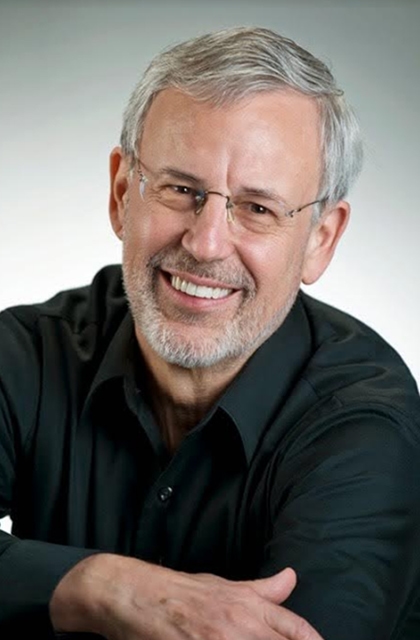 About the Author, Rick Maurer