Most of us spend a lot of time trying to become better communicators. We look for the right words, the right stories, or the right way to explain an idea.
But over the years, I’ve become convinced that good communication isn’t just about what we say.
It’s also about what we choose not to say.
I’ve been looking for more ways to intentionally build silence into my work. Whether I’m facilitating a meeting, giving a presentation, or simply having a conversation, I try to leave room for people to think instead of rushing to fill every quiet moment. It’s not always easy, but I’ve found that those empty spaces often become the most meaningful part of the conversation.
What Count Basie Taught Me About Silence
One of my favorite examples comes from jazz pianist Count Basie.
Basie was fully capable of playing fast, complex music. He had the technical skill to do everything audiences expected from a great pianist. But what made him unforgettable wasn’t the number of notes he played.
It was the notes he chose not to play.
I recently came across a line in William Dilks’ biography of Basie that has stayed with me:
“Basie’s future would not be shaped by how much he played, but by how precisely he chose not to.”
That idea reaches far beyond music.
Those moments of silence gave shape to everything around them. They allowed each note to carry more weight. The pauses weren’t empty. They were part of the performance itself.
Space Invites People Into the Conversation
I once knew a scientist who decided to challenge the way presentations were normally done.
While everyone else delivered hour-long talks with fifty information-packed slides, he used only five.
He covered everything that mattered, but something unexpected happened.
Because there was less information competing for attention, people had time to think. They asked questions. They shared ideas. Instead of sitting through another presentation, they became part of the discussion.
He told me he could actually feel energy building in the room because people were engaging with the idea instead of simply absorbing information.
That story reminds me that sometimes our job isn’t to provide more content.
Sometimes it’s to provide more space.
Trust Lives in the Pause
Years ago, I had the opportunity to write a joke that Rodney Dangerfield eventually performed.
I remember watching him on The Tonight Show with Johnny Carson, waiting to hear whether he’d use it.
He told the joke.
Silence.
Johnny Carson didn’t react.
The audience didn’t react.
For what felt like forever, nothing happened.
Then suddenly everyone got it.
The audience erupted in laughter, Carson laughed, and the joke landed exactly as it should have.
Years later, I watched Rodney tell that same joke again on The Tonight Show with Jay Leno. Once again, he allowed the silence to happen before the audience caught up.
What impressed me wasn’t simply his timing.
It was his trust.
He trusted himself.
He trusted the material.
And he trusted the audience enough to give them the time they needed.
Many people would have rushed to explain the joke or abandoned it altogether. He didn’t.
He left the space alone.
It Takes Courage to Leave Space
Even though I believe deeply in the value of silence, I still find it difficult.
Like many people, I feel the temptation to fill every pause.
To keep talking.
To explain one more thing.
To make sure everyone understands.
But I’ve found myself returning to a line from poet Kay Ryan:
“It takes a courageous person to leave spaces empty.”
I think that’s true.
Silence isn’t the absence of communication.
Often, it’s where communication really begins.
Whether we’re leading change, facilitating meetings, coaching someone, or simply talking with a friend, leaving room for other people to think may be one of the most generous things we can do.
The next time you’re in a conversation, try resisting the urge to fill every pause.
You might discover that silence isn’t empty after all.
It may be where the best conversations begin.
The conversation doesn’t end here. I’d love to hear your experience. Visit my LinkedIn post and share your thoughts in the comments. I read every one of them.
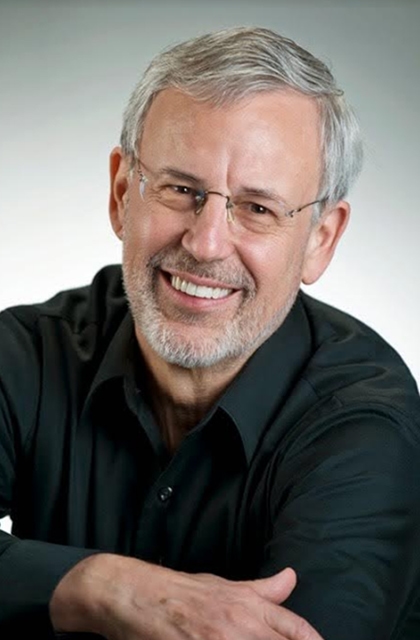 About the Author, Rick Maurer