This just in: Thinking can hinder performance.
Dr. Debbie Crews, a sports psychology researcher, conducted an interesting experiment with golfers. She assembled two groups. One group included golfers who were consistently good at putting. The other group was people who did not consistently sink their putts.
She had the players wear special headsets that recorded brain activity. When golfers from both groups walked up to the hole, there was a tremendous amount of activity in both sides of their brains.
But when the better golfers got ready to putt, their brain activity changed dramatically.
The inconsistent putters still had a lot of brain activity. Perhaps they were thinking about the slight breeze and what impact that might have on the shot. Maybe they were noticing that the grass was still a little wet and wondering how that might affect the path of the ball.
They might have been thinking about how they were standing and holding their club. Or maybe they were simply hoping to make the putt.
It doesn’t make much difference what they were thinking.
The point is that their brains were busy.
The better putters had far less brain activity in that final second.
They were calmer.
As Dr. Crews said, “… it was the last second of data that was predictive of performance.”

So what might this suggest for us at work?
It’s not at all uncommon for people to go from meeting to meeting with virtually no break in between. As the 10:00 meeting is starting, we’re still thinking about things from the last meeting.
Perhaps we get a text during this meeting that distracts us. Maybe we’re looking at the packed agenda for the 10:00 meeting and wondering how we’ll ever get through it all.
And as the meeting ends, we have already begun shifting our attention to the next meeting that will start in ten minutes.
The preceding text comes from my book, Seizing Moments of Possibility. You can get a free digital copy of the book from my website.
I think Dr. Crews’ work is worth paying attention to.
Over the past few weeks I’ve written about the value of creating space—even if only for a few moments.
This research reminds me that those small moments of quiet may matter more than we realize.
And if the idea resonates, you’re always welcome to continue the conversation with me on LinkedIn.
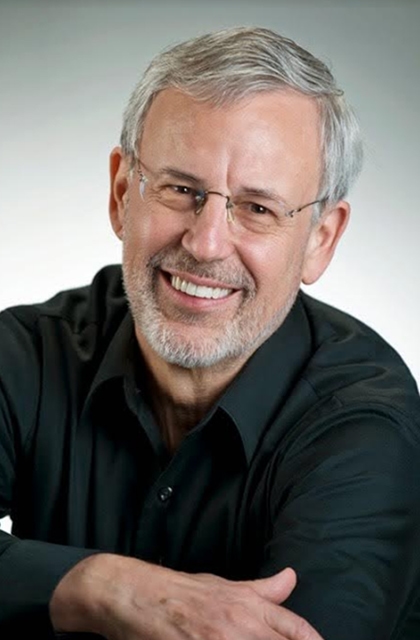 About the Author, Rick Maurer